

PLAY THERAPY
Young children don’t always have the words for what they’re feeling, but they do have play. At River Psychology Group, our play therapists use a developmental, child-centered approach that pays attention to each child’s needs, strengths, and personality.
Through toys, art, stories, and pretend play, children express and work through big emotions at their own pace. Play therapy helps kids feel safe, cope with strong feelings, build confidence, and find new ways to solve problems, even before they can put those thoughts and feelings into words.
We see children in person at our offices in Park Slope, Brooklyn and Scarsdale in Westchester, and we work closely with parents every step of the way.
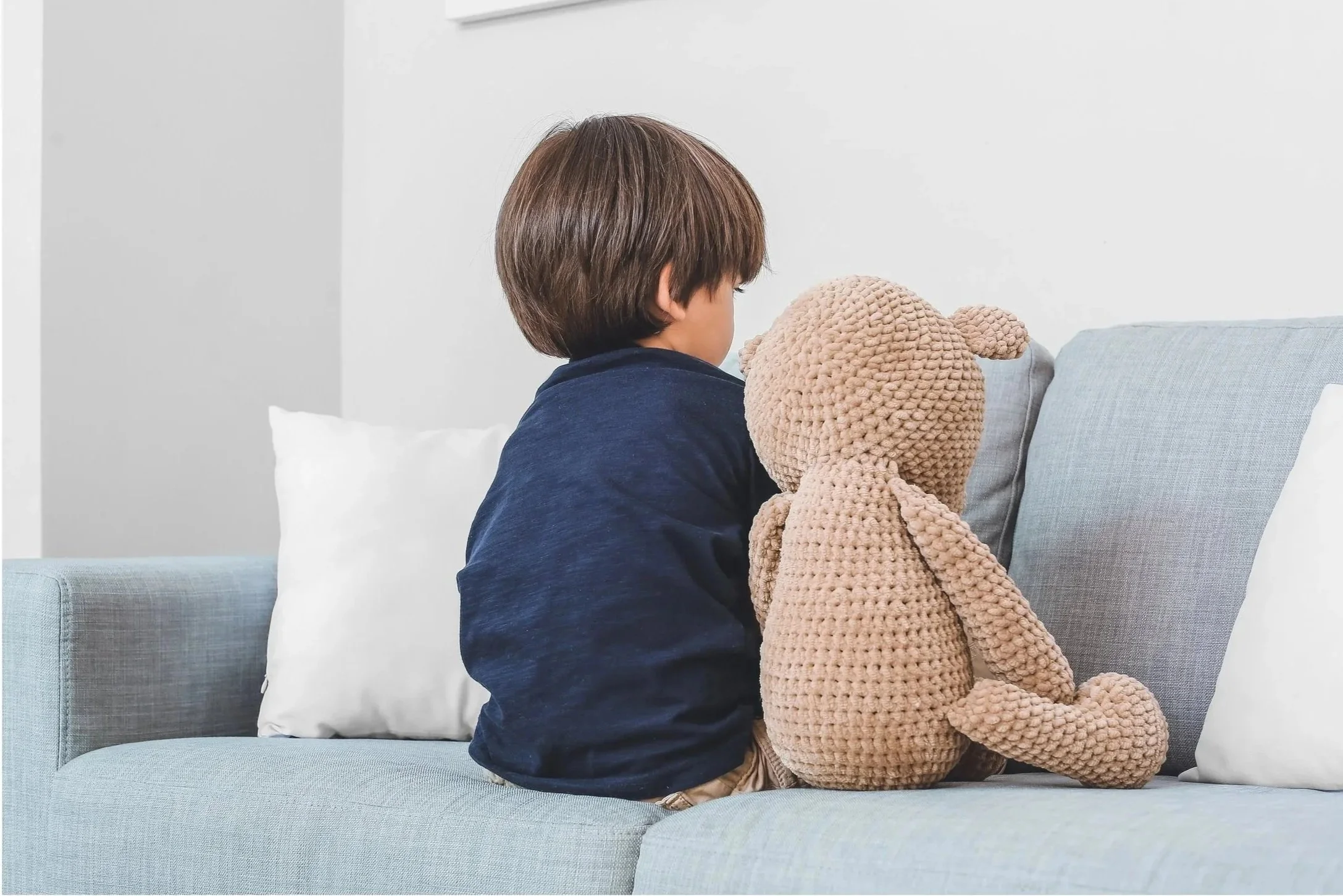
Big feelings are showing up as big behavior.
Maybe it’s meltdowns over small things, tears at drop-off, or a child who suddenly seems clingy, withdrawn, or angry. You’ve tried patience, consequences, and every strategy you can find, and you’re still not sure what’s going on underneath.
That’s where play therapy can help. Play is how young children make sense of their world, and it gives us a window into what they’re feeling and what they need.
Parents Come to Us When…
Meltdowns and tantrums are frequent
Separation or drop-off is hard
Worries and fears get in the way
There’s been a big change, like a new sibling, a move, or divorce
A loss is hard to process
Friendships and sharing are a struggle
School or daycare has raised concerns
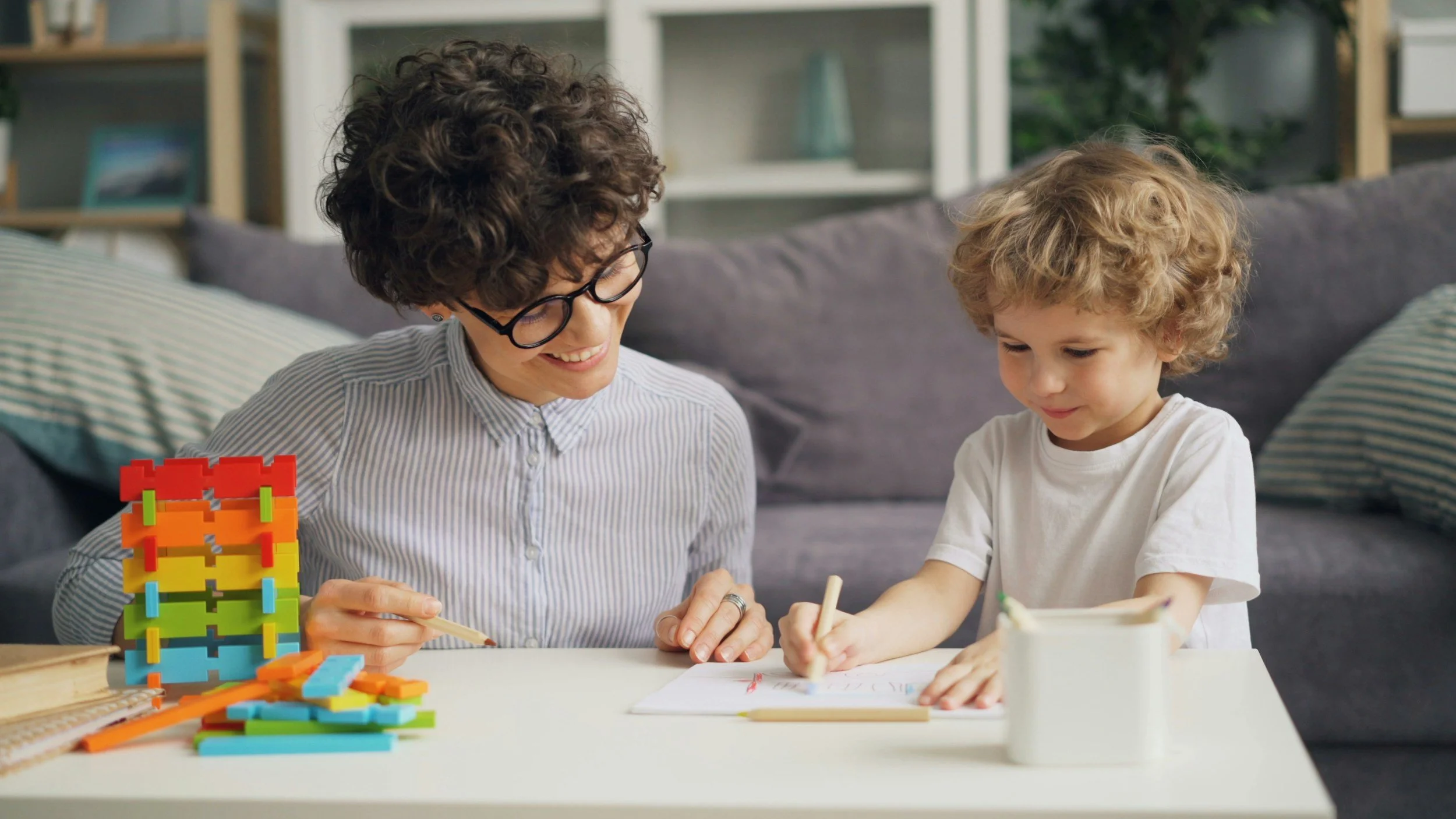
Where Children Grow Through Play
In a warm, welcoming playroom, your child leads the play while their therapist observes, reflects, and gently guides. Play lets children express what’s hard to say, practice new ways of handling feelings, and build trust in a safe relationship.
We draw on evidence-based approaches, including child-centered play therapy, cognitive behavioral therapy (CBT) adapted for young children, and parent-focused approaches such as PCIT and SPACE, and we tailor treatment to each child and family.
Parents are partners in the process. We meet with you at the start, check in regularly along the way, and give you practical strategies to support your child at home, so progress carries into everyday life.
After Play Therapy, Families Often See…

Fewer meltdowns and calmer transitions
Easier separations
Kids who can name and manage their feelings
More confidence trying new things
Smoother friendships and play
Parents who feel more confident and connected
Every child moves at their own pace. Over time, play therapy helps children feel more secure, express themselves more clearly, and bounce back more easily, and it helps parents feel more confident in how to support them.


COMMON
QUESTIONS
What ages is play therapy for?
Play therapy is usually best for children ages 3 to 10. For older kids and teens, we use approaches suited to their age, although there may still be some play in sessions; learn more about our child therapy and teen therapy.
What happens in a session?
Sessions are 45 minutes in a playroom with toys, art supplies, and games chosen to help children express themselves. Your child’s therapist follows their lead while gently guiding the work toward their goals.
Will I be involved?
Yes. We start with a parent meeting, check in regularly, and share strategies you can use at home.
Do you take insurance?
We are private pay and out-of-network, and we provide the paperwork you need to seek reimbursement. See Fees & Insurance.
Where do you offer play therapy?
In person at our offices in Park Slope, Brooklyn and Scarsdale, Westchester.
How do we get started?
Book a free 15-minute call. We’ll talk about what’s going on and match your child with the right therapist.